
The 8th “Science+” Greater Bay Area
Youth Earth Science Contest (Primary Division)
Science + AI — a new wisdom for exploring the Earth. Open to Grades 4–6 students across the Greater Bay Area (Guangdong, Hong Kong, Macao), blending artificial intelligence with earth science and guiding young explorers to discover nature, build scientific literacy and think creatively.
About the 2026 Primary Division
Approved by the Guangdong Provincial Department of Education as a province-wide competition for primary and secondary students in the 2025–2028 school years. 2026 is the launch year for the Primary Division, themed “Science+” — deeply integrating artificial intelligence (AI) with earth science.
Earth Science × AI
From ecology, geology and astronomy to plants and birds — real-world scenarios such as AI satellite imagery and AI recognition let pupils experience the dialogue between technology and nature.
Literacy & Creativity
Questions emphasize fundamentals and real-life application; the final adds cross-disciplinary and AI-application problems to train independent thinking and problem solving.
Preliminary + Final
The preliminary runs online (computer) and on paper in parallel; the final is an on-site event combining an advanced written test (with electives) and the Kexue Marathon combined relay race.
Authoritative · Fair · Free
Organized by the Geological Society of Guangdong Province. Sealed papers, standardized answer sheets and manual grading; the final is fully recorded. Registration is free and awards cover multiple levels.
Five Tracks, Freely Chosen
Five tracks in total: in the preliminary, students pick one of five subject tracks; in the final, they pick one of two advanced tracks.
| Stage | Code | Track | Focus |
|---|---|---|---|
| Preliminary · choose 1 of 5 | S1 | Earth Ecology | Ecosystems, biodiversity and living nature |
| S2 | Geology & Paleontology | Rocks, fossils and deep time | |
| S3 | Space & Astronomy | Planets, stars and the universe | |
| S4 | Plants & Insects | Botany and entomology around us | |
| S5 | Birds | Ornithology and birdwatching | |
| Final · choose 1 of 2 | S6 | Geophysics | Forces, earthquakes, magnetism and energy |
| S7 | Geochemistry | Elements, weathering, water and soil chemistry |
Registration · Exam · Promotion
2026 is a transition year: every preliminary track offers both a computer-based and a paper-based version, and schools choose based on their computer facilities. In the final, students choose one elective from Geophysics or Geochemistry.
- Preliminary entryOne of the five subject tracks
- Final electiveGeophysics / Geochemistry — choose one
- Exam formatComputer / paper (school's choice)
- Preliminary scoreScore of the chosen track
- PromotionAbout 20% of contestants advance to the final
Exam Format · Computer & Paper in Parallel
The computer and paper versions are identical in content, difficulty and scoring — differing only in format. AI scenarios are presented in the paper version as static images or data tables.
| Item | Details |
|---|---|
| Full score | 100 points |
| Duration | 60 minutes per track |
| Question types | Single choice, true/false, image recognition, data/chart analysis, short answer |
| Difficulty | Primary-division level, focusing on fundamentals and real-life application |
| AI integration | The computer version embeds AI scenarios (satellite image comparison, rock recognition, bird recognition, etc.); the paper version presents them as static images, data tables or text |
Key Dates
Registration
Choose one of the five subject tracks and the exam format (computer or paper) on the official website. A registration number is generated upon submission.
Mock tests open
Independent mocks for each track, to familiarize students with question types and the computer interface and to test devices.
Preliminary round
Each track runs in the format chosen at registration.
Results & promotion list
Ranked by preliminary scores and track proportions; about 20% of contestants advance, with extra slots allowed for ties.
Two Parts: Advanced Test + Relay Race
The final adopts an “advanced written test + combined relay race” format, introducing the 3 km Kexue Marathon relay with AI content and higher difficulty — a full-day on-site event.
| Part | Name | Content | Score | Weight |
|---|---|---|---|---|
| Part 1 | Advanced written test | Deep assessment of the qualified track + Geophysics / Geochemistry electives (with AI applications) | 100 | 50% |
| Part 2 | Combined relay race | Based on the Kexue Marathon outdoor parent-child race rules (3 km) | 100 | 50% |
| Total | 200 | 100% | ||
Advanced Written Test (by track)
- FormatClosed-book, paper answer sheet
- Duration90 minutes
- Questions30 advanced choice · 4 comprehensive analysis · 2 cross-topic · 2 AI+subject application
- DifficultyNotably higher than the preliminary; depth and cross-disciplinary thinking
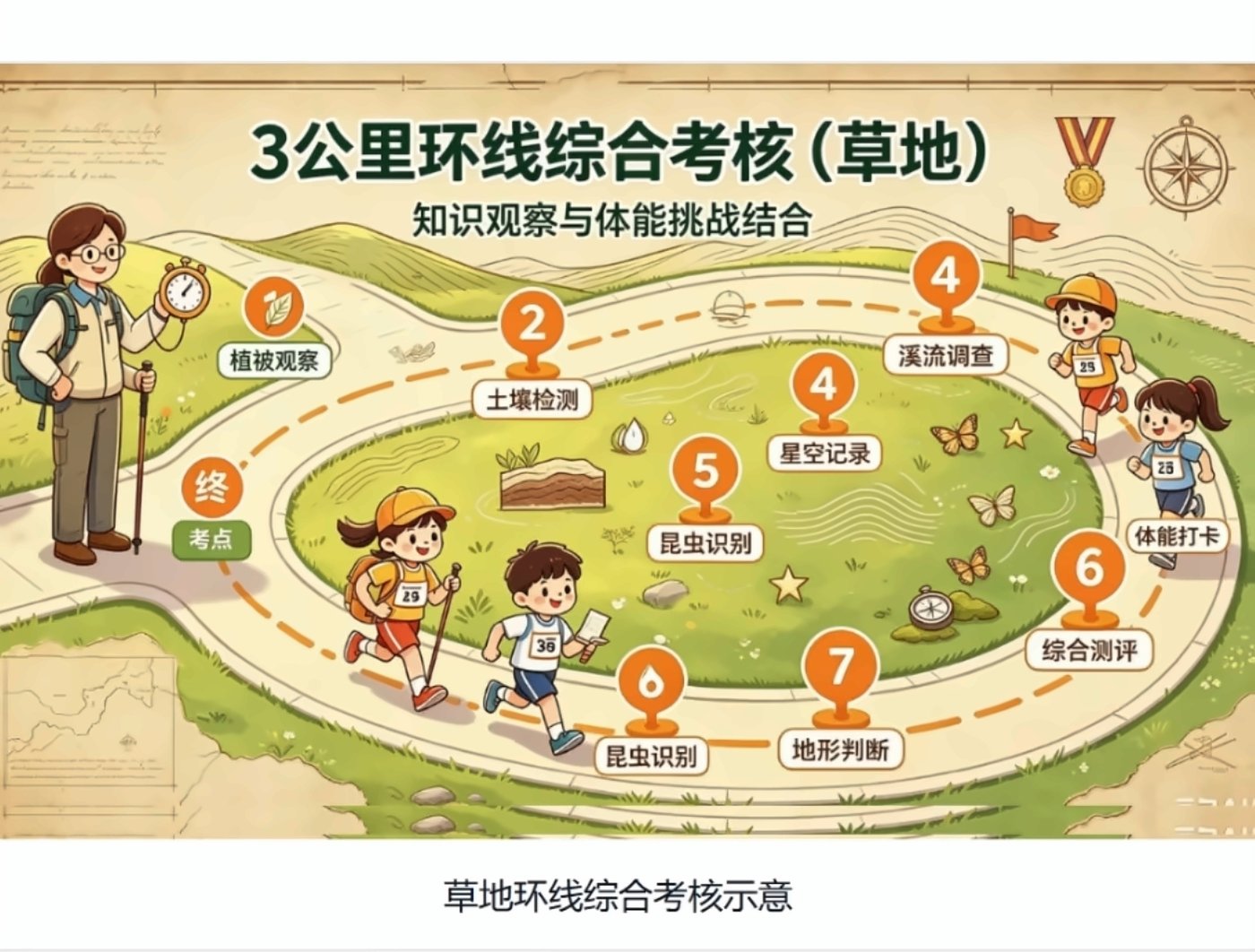
Combined Relay Race (Kexue Marathon, 3 km)
- FormatBased on the Kexue Marathon outdoor parent-child race brand rules
- Course3 km combined relay
- VenueGeopark / natural history museum / eco-reserve
- NoteDetailed rules issued separately before the final
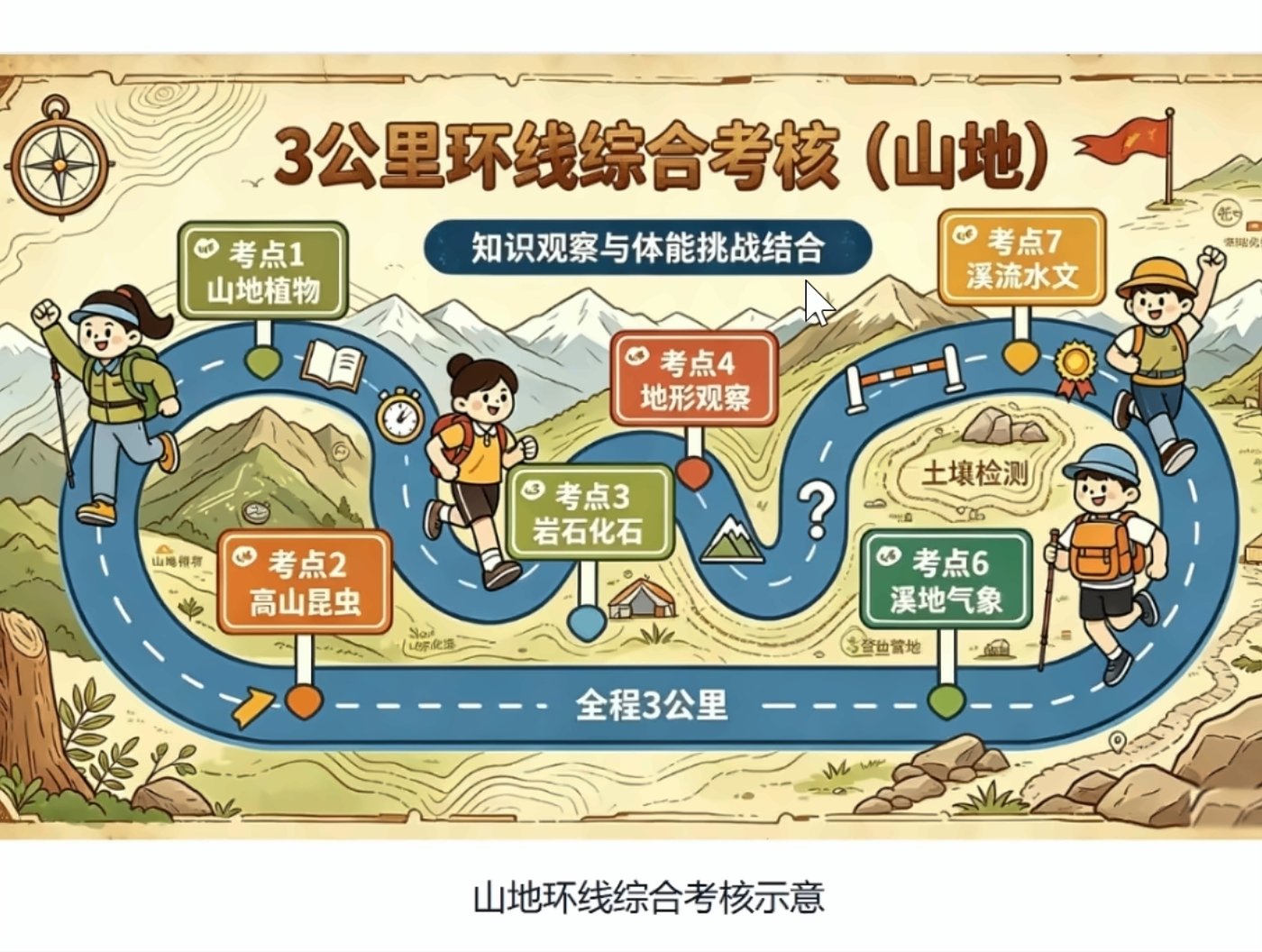
About the Kexue Marathon
To deepen the "Science+" theme and extend Earth science assessment from paper-based and computer tests toward field observation, teamwork and interdisciplinary practice, the Organizing Committee has included an outdoor combined relay stage in the finals. Built on the event licence of the "Kexue Marathon Parent-Child Race" and adapted from its 3 km combined relay format to the assessment goals, age groups and outdoor safety requirements of this contest, it forms the outdoor assessment rules of the competition.
Declaration: the intellectual property of the outdoor stage rules belongs to the "Kexue Marathon Parent-Child Race"; the Organizing Committee uses it under licence with attribution.
Two Elective Directions
| Direction | Main content | AI integration |
|---|---|---|
| Geophysics | Force and motion (gravity, friction, elasticity, buoyancy); seismic waves and early warning; Earth's magnetic field and compasses; forms and transformation of energy | AI seismic early-warning data analysis · AI magnetometer simulation |
| Geochemistry | Elements and molecules (basic concepts); rock weathering and chemical change; dissolution and solutions; soil acidity and pH | AI water-quality data analysis · AI mineral identification |
Two Full Days
Assessment · science lecture · relay race · award ceremony — a complete two-day experience.
| Time | Session | Content | Note |
|---|---|---|---|
| Day 1 · 08:00 — 08:30 | Check-in | Identity verification; confirm track and elective | — |
| 08:30 — 10:00 | Part 1 | Advanced written test (rooms by track) | Written |
| 10:00 — 10:15 | Break / transfer | Students change rooms | — |
| 10:15 — 11:15 | Science lecture | “How AI Helps Scientists Study the Earth” | Not scored |
| 11:30 — 13:00 | Lunch | Arranged together & rest | — |
| 13:30 — 16:30 | Part 2 | Combined relay race (Kexue Marathon): geopark / natural history museum / eco-reserve, complete the field handbook | Outdoor |
| Day 2 · morning | — | To be announced | — |
| Day 2 · 14:00 — 16:00 | Closing & awards | Results announced; certificates and medals presented | — |
Free Online Training · Six Modules
Offered two weeks before the final by the organizing committee; all sessions support replay.
Module 1 · AI Overview
AI applications in earth science · live · 1.5 h
Module 2 · Five-track Sprint
Five live small-group classes · 2 h each
Module 3 · Geophysics Basics
Forces, earthquakes, magnetism, energy · recorded + exercises · 2 h
Module 4 · Geochemistry Basics
Elements, weathering, pH, water · recorded + exercises · 2 h
Module 5 · AI Data Analysis
Case-based teaching · live · 1.5 h
Module 6 · Mock Test & Q&A
Online self-test + Q&A · 1 h
Tiered Awards · Diverse Honors
The preliminary sets First/Second/Third prizes by track (e-certificates), and every finisher receives the “Young Earth Explorer” memorial certificate. Final awards:
First Prize (Gold)
Medal + “Young Doctor of Earth Science” honor certificate + prize
Second Prize (Silver)
Honor certificate + prize
Third Prize (Bronze)
Honor certificate
Excellence Award
All other finishers of both parts · honor certificate
AI Innovation Award
Top 3 by AI data-analysis question scores in Part 2
Earth Science Star
First place of each track in Part 1
Outstanding Advisors
Advisors of first-prize winners
Outstanding Schools
Schools with outstanding organization
Eight Years of Earth Science Education
The 2026 Primary Division does not start from zero — it carries on a contest held annually since 2018: from Guangdong to Guangdong–Hainan, from secondary to primary, from provincial to a GBA-plus-national invitational.
Organizer: Geological Society of Guangdong Province
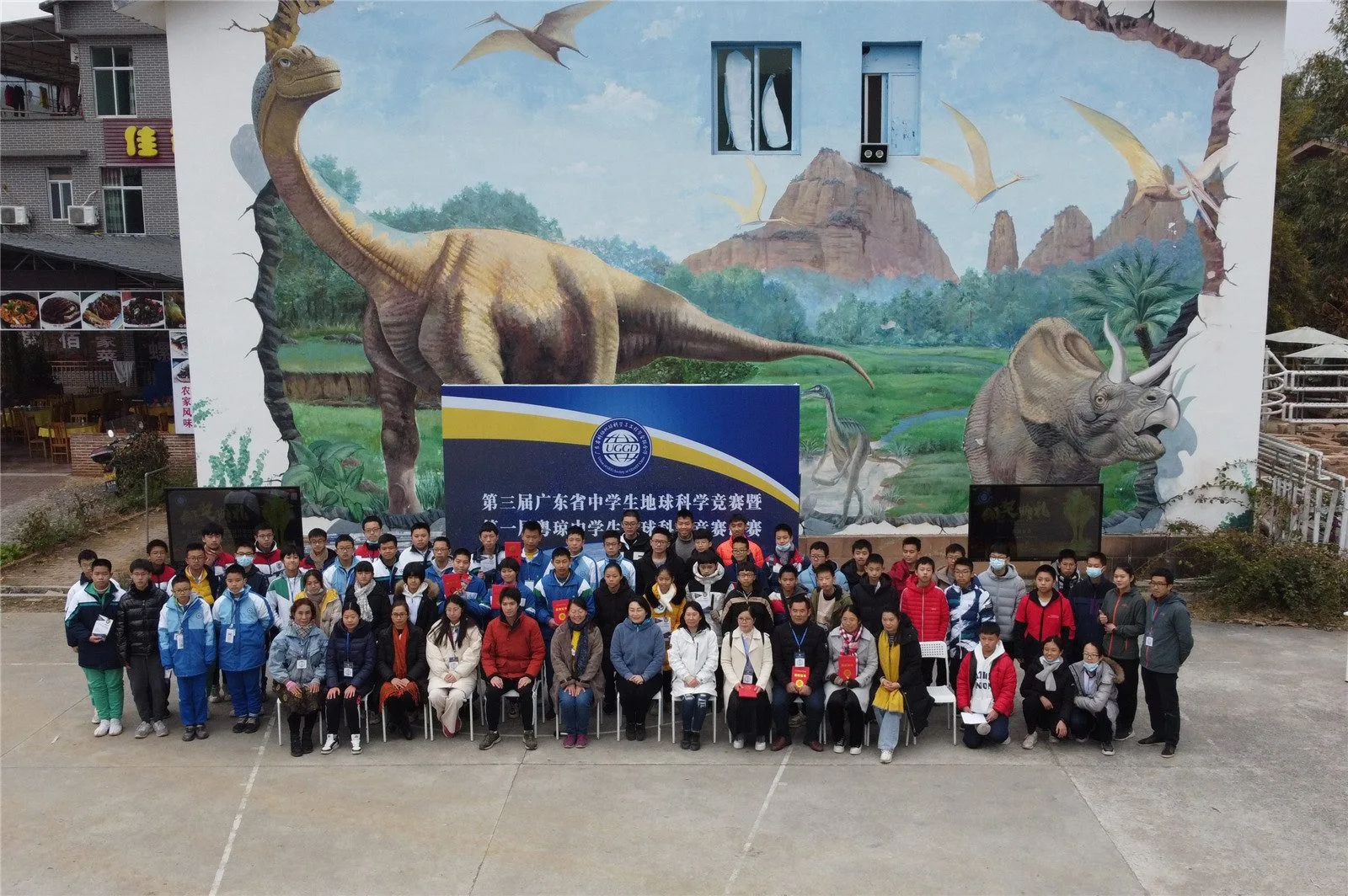
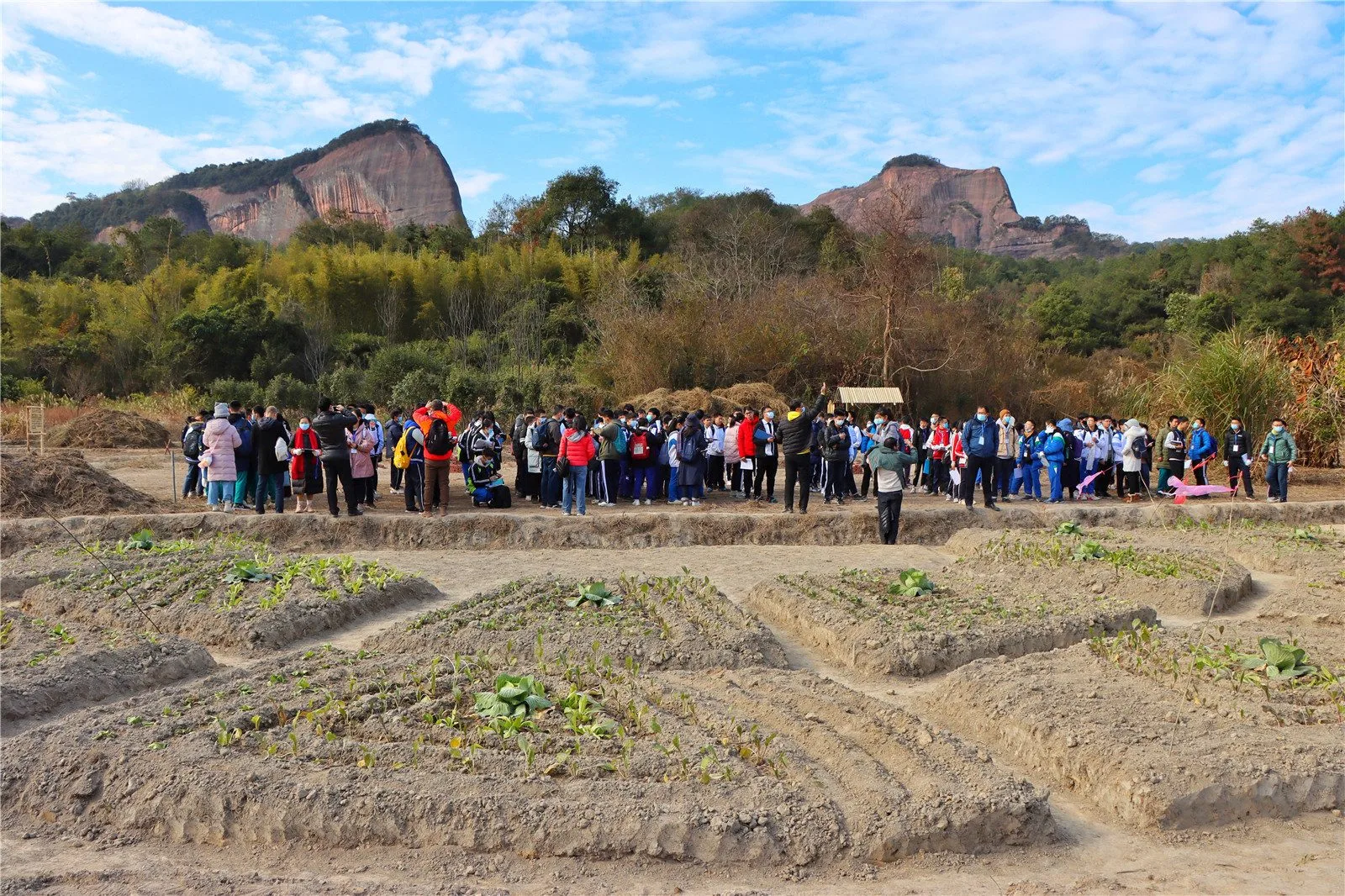
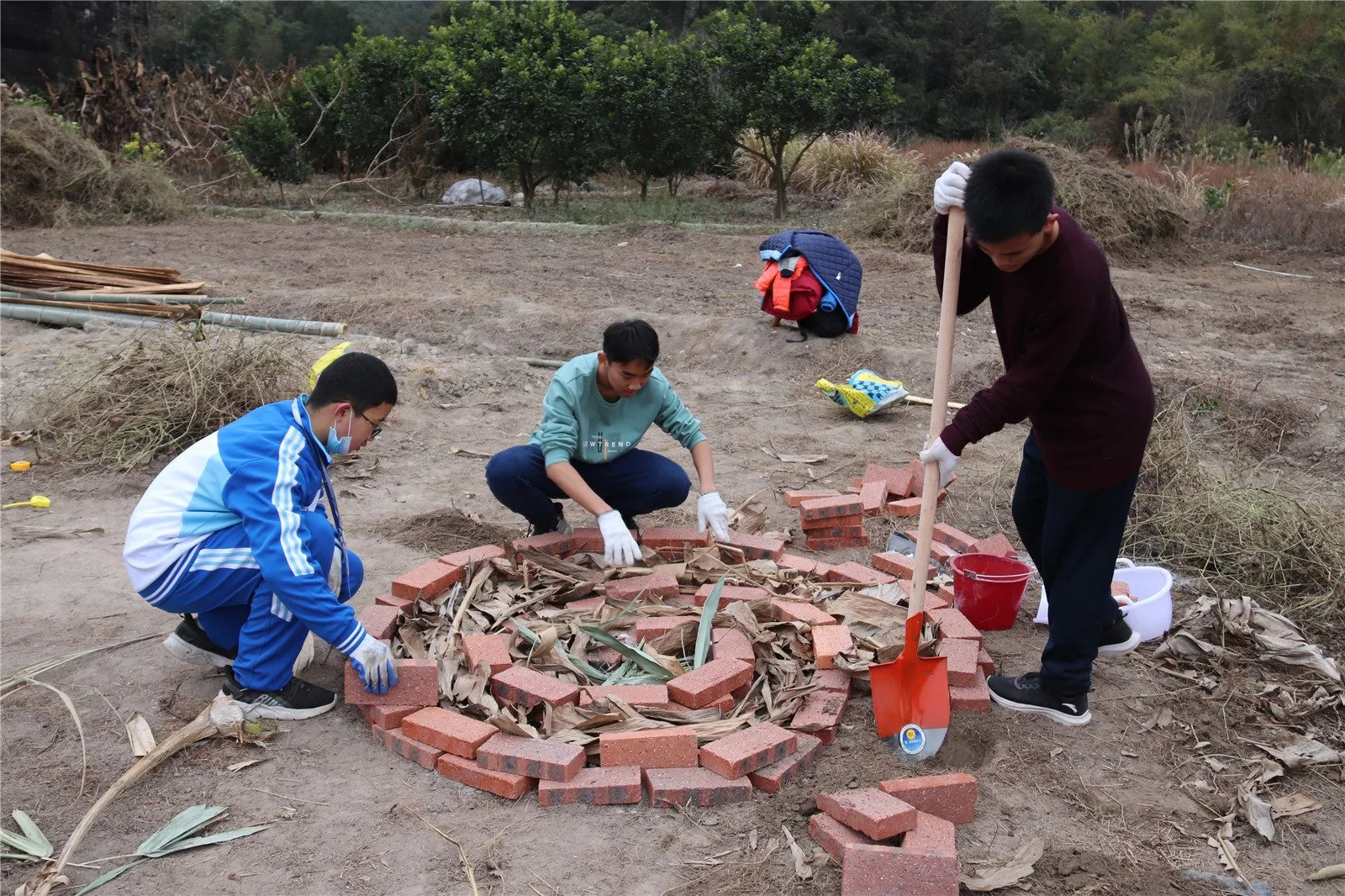
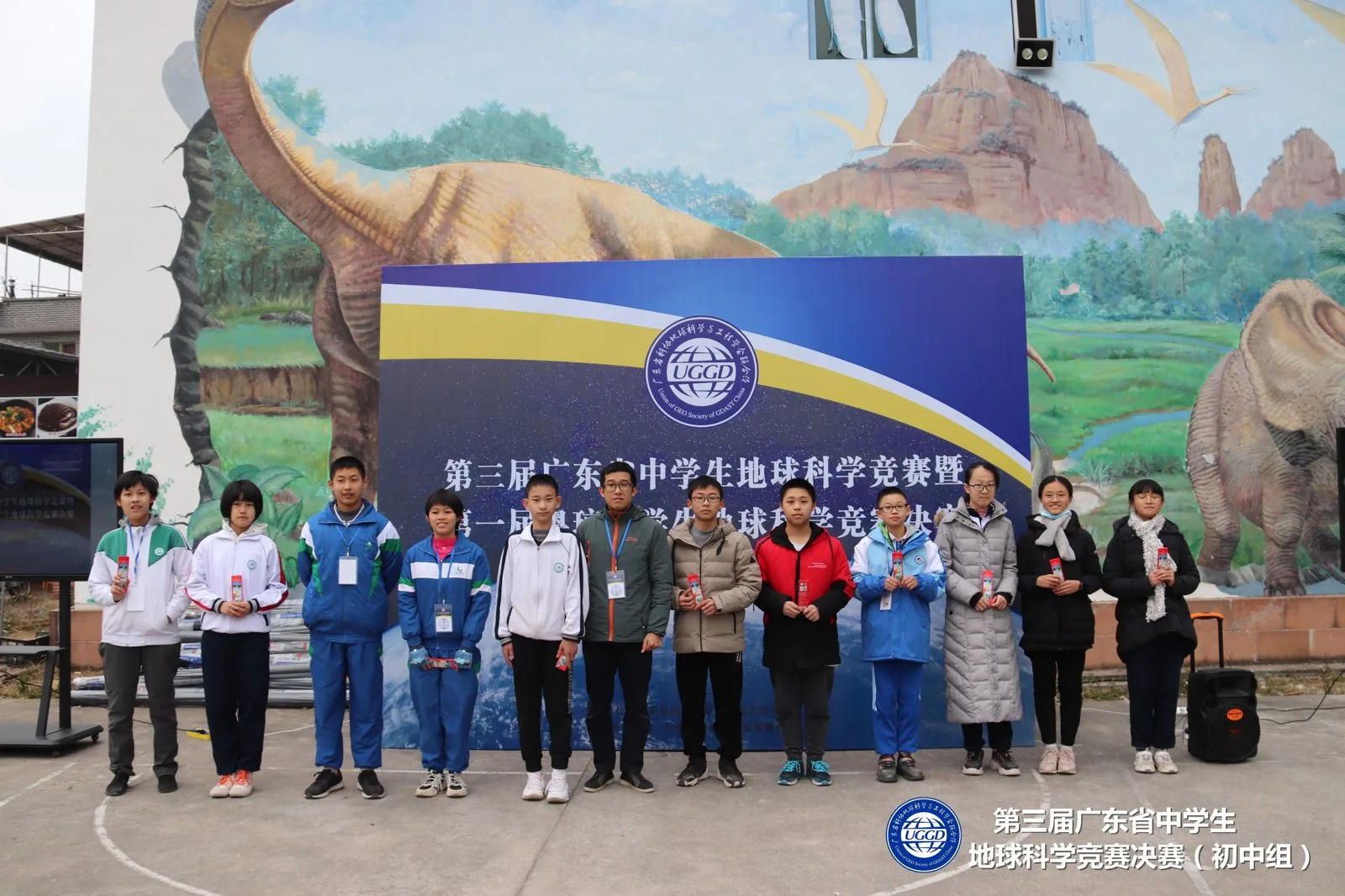
Moments from Past Contests
Fieldwork, hands-on practice, competing side by side, and taking the stage — real records from past finals (Danxia Mountain).
Registration Process · Fees · Technical Assurance
How to Register
- Registration is open now through 15 Nov 2026 via school group registration — one liaison teacher per school downloads the official Excel form, completes it, and uploads it on kxmls.cn.
- Each student chooses one of the five subject tracks and the exam format (computer or paper).
- The system generates a unique registration number (KXMLS2026-XXXXXX) for every student — please keep the receipt safely.
Fees
- RegistrationFree (Guangdong whitelisted competition)
- Final accommodationArranged together, at students' own option (waivers available for students in need)
Fairness & Anti-cheating
- Dual-format parityComputer and paper versions identical in content, difficulty and scoring
- Computer modeFace-recognition login · tab-switch logging · IP locking · randomized questions
- Paper modeSealed papers · standardized answer sheets · AI + manual grading
- Final venueFully recorded · judges score on the spot
- PlatformSupports massive concurrent users · backup servers · online support
Ready to explore the Earth?
Learn about the track syllabus before registering, and confirm the exam format with your school.